
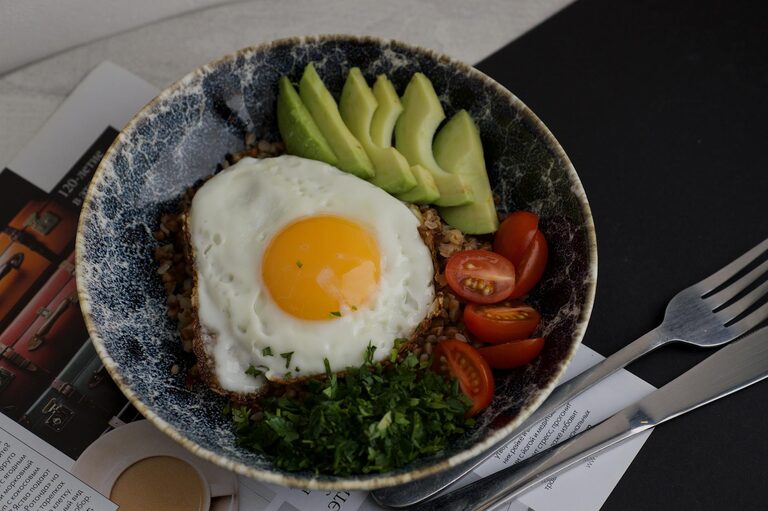
Planning balanced meals can often feel overwhelming, especially when juggling work, family, and other responsibilities. However, eating well doesn’t have to be complicated or stressful. With a few practical tips and a bit of preparation, you can create nutritious, delicious meals that are easy to prepare and satisfying for your whole family.
In this post, we’ll explore how to plan balanced meals without the usual stress. From understanding what makes a meal balanced to practical strategies for meal prepping, you’ll get all the guidance you need to simplify your approach to eating well.
What Does a Balanced Meal Look Like?
A balanced meal provides a good mix of nutrients your body needs. It generally includes:
– Protein: Supports muscle repair and keeps you feeling full. Sources include chicken, fish, beans, tofu, eggs, and dairy.
– Vegetables and Fruits: Packed with vitamins, minerals, and fiber. Aim for variety and colorful options.
– Whole Grains: Provide energy and fiber. Examples are brown rice, quinoa, oats, and whole wheat bread.
– Healthy Fats: Important for brain health and hormone production. Think avocados, nuts, seeds, and olive oil.
Including these components in the right proportions can help maintain energy levels and support overall health.
Step 1: Start with a Simple Meal Template
Having a meal structure in mind makes meal planning easier. For example, try this template:
– Half the plate with veggies and fruits
– One-quarter with protein
– One-quarter with whole grains or starchy vegetables
– A small portion of healthy fats
This visual guide helps you quickly build balanced meals without needing exact measurements.
Step 2: Plan Ahead with a Weekly Menu
Setting aside 15–30 minutes each week to plan your meals can save time and reduce mealtime stress.
How to create a weekly menu:
- **Check your schedule**: Note busy days where quick meals are needed.
- **Pick recipes**: Choose meals that fit your tastes and time constraints.
- **Mix it up**: Rotate different proteins and veggies to keep things interesting.
- **List ingredients**: Make a shopping list based on your menu to avoid last-minute trips.
Planning meals ahead helps prevent reliance on takeout or processed foods.
Step 3: Batch Cooking and Meal Prep
Meal prepping can dramatically reduce daily cooking time. Here are some ideas:
– Cook grains in bulk: Make a big batch of rice or quinoa to use throughout the week.
– Pre-chop vegetables: Wash and cut veggies for salads or stir-fries, then store in the fridge.
– Prepare proteins: Grill chicken breasts or bake tofu to add to meals later.
– Use versatile sauces: Homemade or store-bought sauces can change the flavor of basic ingredients quickly.
Batch cooking lets you assemble balanced meals faster, especially on busy days.
Step 4: Keep Healthy Staples on Hand
Stock your pantry and fridge with these essentials to make meal creation easier:
– Canned beans and lentils
– Whole grains like oats and brown rice
– Frozen vegetables and fruits
– Nuts, seeds, and nut butters
– Olive oil and vinegar for dressings
– Spices and herbs for flavor
Having these basics available means you can whip up balanced meals even when time is short.
Step 5: Make Meals Fun and Flexible
Enjoyment is key to sticking with balanced meals long term.
– Experiment with new recipes: Try international dishes or seasonal ingredients.
– Get creative with leftovers: Turn dinner into next day’s lunch with simple tweaks.
– Prep build-your-own meals: Like grain bowls or wraps, letting everyone choose toppings.
Flexibility helps prevent meal boredom and allows you to adjust based on your mood or schedule.
Common Mistakes to Avoid
Even with the best intentions, it’s easy to fall into traps that cause stress or unhealthy habits:
– Overcomplicating meals: Keep recipes simple and ingredients minimal.
– Skipping meals when busy: Having ready-to-eat options prevents skipping or poor choices.
– Ignoring portion sizes: Balanced proportions matter for sustained energy.
– Relying only on processed convenience foods: Look for whole foods even in quick meals.
Being mindful of these pitfalls will help you maintain a stress-free, balanced approach.
Final Thoughts
Planning balanced meals doesn’t need to be stressful or time-consuming. By understanding the basics of nutrition, preparing ahead, and keeping things flexible, you can enjoy healthy, satisfying meals every day. Start small, keep it simple, and watch how your mealtime routine transforms into a positive and nourishing experience.
Remember, the goal is progress, not perfection—so take one step at a time and celebrate your successes!